2026-08-27 ·
Summer Storms and Sewer Backups in Orange City: A 2026 Preparedness Guide
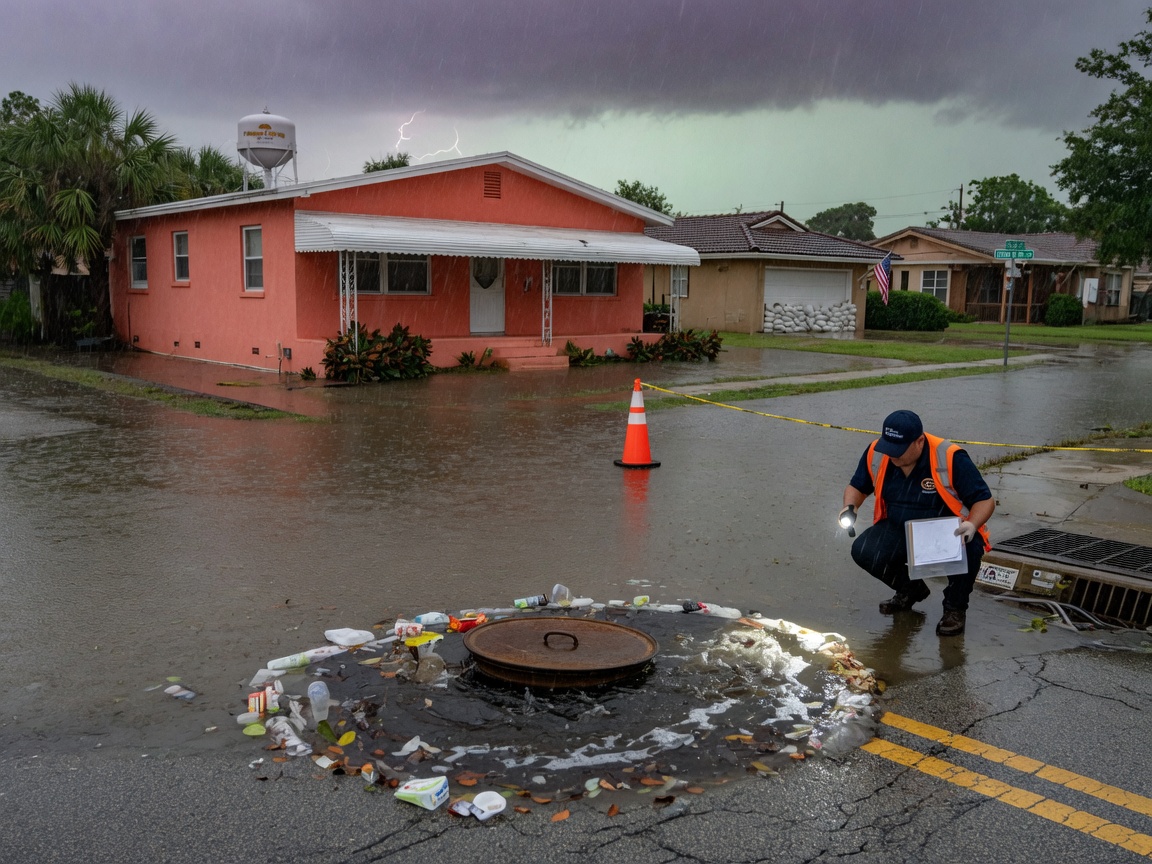
Summer storms in Orange City frequently cause sewer backups when heavy rainfall exceeds the capacity of older pipes in Volusia County homes, especially those built before modern standards in the Orange City Historic District. Residents in Enterprise and nearby areas see backups rise sharply during peak summer months because the region’s hot, humid climate delivers sudden deluges that saturate soil and push groundwater into cracked lines. Discount Rooter Services sees these calls increase after storms dump several inches in a few hours, turning minor clogs into full backups that affect basements and yard cleanouts.
How Local Climate and Terrain Drive Backups
Orange City’s humid subtropical climate produces hot summers with frequent thunderstorms that drop 2–4 inches of rain in short bursts. This volume quickly saturates the sandy soils common around Blue Spring State Park and the St. Johns River basin, raising groundwater levels that press against sewer lines. Homes in the historic district often have clay or cast-iron pipes installed decades ago that develop cracks and root intrusion from nearby oaks and pines. When rain overwhelms these lines, water backs up through floor drains and toilets rather than flowing to the municipal system or septic fields. The same pattern repeats in Enterprise where slightly newer subdivisions still sit on older municipal laterals that were not sized for today’s storm intensity.
Early Warning Signs Before a Storm Hits
Watch for slow drains in multiple fixtures, gurgling sounds from toilets, or sewage odors near cleanouts after even moderate rain. In Orange City these symptoms often appear first in lower-level bathrooms or laundry rooms because gravity directs excess water there. Homeowners in Deltona and DeLand report the same pattern when storms track across central Volusia County. Checking the cleanout cap outside before hurricane season can reveal standing water that signals partial blockages. Addressing these early through drain cleaning prevents a full backup when the next heavy cell moves through.
Practical Steps for 2026 Storm Preparedness
Clear gutters and downspouts of debris in late spring so roof water flows away from the foundation instead of pooling near sewer laterals. Schedule a sewer camera inspection before June to locate cracks or offsets that heavy rain will exploit. In Enterprise and the historic district, trimming tree roots near the sewer path reduces intrusion that worsens during wet periods. Keep a manual or battery backup sump pump tested and ready if your home has a below-grade drain. These steps cost far less than emergency extraction after a backup saturates flooring or drywall.
When Backups Occur: Immediate Actions
Shut off water at the main valve if sewage rises above the toilet rim and avoid using any drains until the line clears. Contact a local plumber for hydro jetting that removes grease, scale, and storm debris without chemicals that can harm Volusia County septic systems. Document water levels and affected rooms with photos for insurance purposes. Avoid driving over yard cleanouts after storms because saturated soil can cause vehicle weight to collapse older pipes.
Long-Term Fixes That Reduce Future Risk
Replacing sections of sewer line with PVC or lining existing pipes stops repeated backups in older Orange City homes. Properties near the historic district often benefit from targeted repairs rather than full replacement when camera footage shows isolated damage. Linking to the county’s septic-to-sewer programs can also modernize service for homes still on septic tanks in Enterprise. Regular drain cleaning every 18–24 months keeps lines flowing during the wettest months and extends the life of both municipal and private systems.